
Plumbing infrastructure as the foundation of interior moisture control
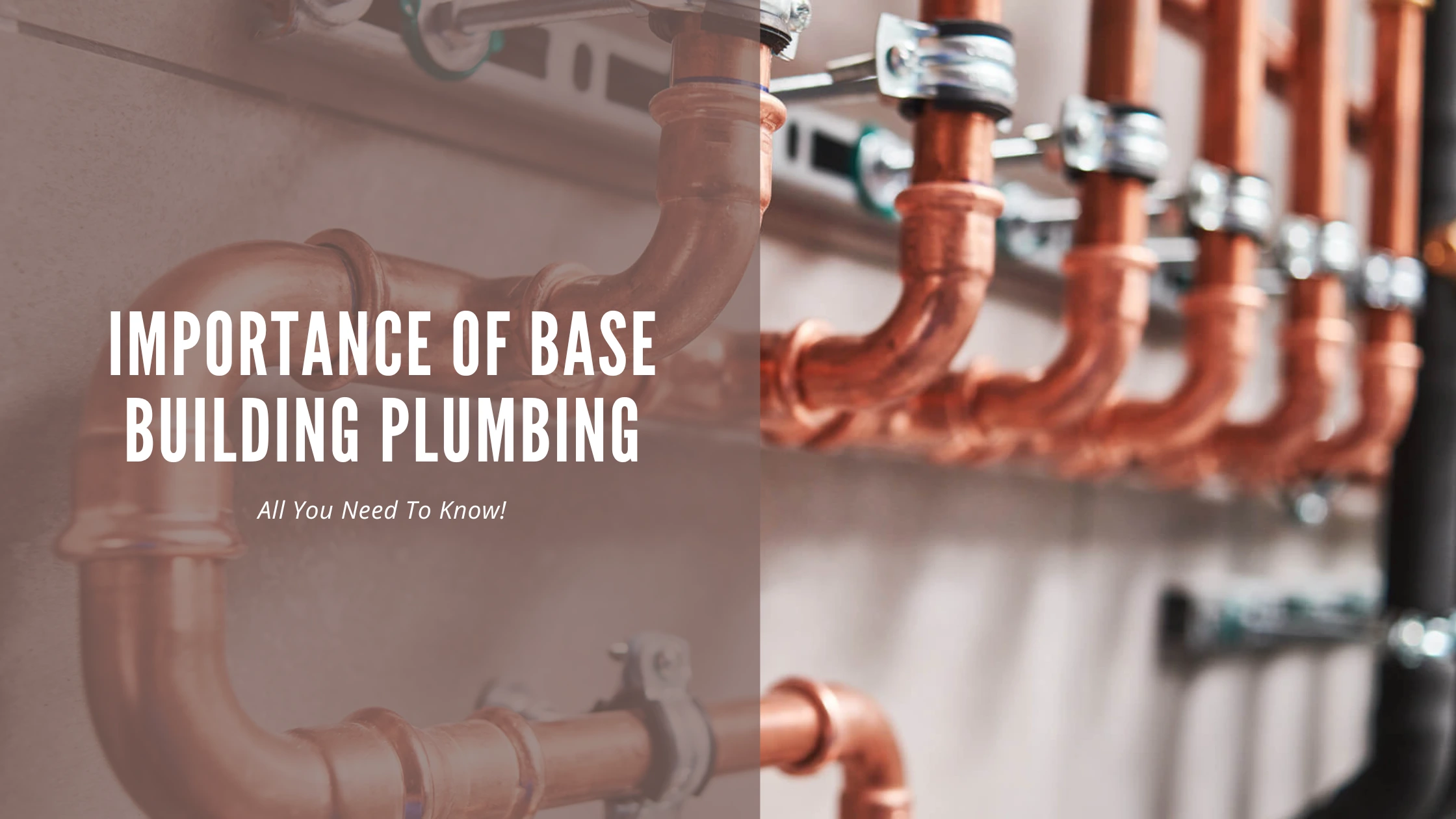
Interior waterproofing is often treated as a finishing measure - something applied after walls are built and floors are poured. In reality, long-term moisture protection begins much earlier, at the level of base building infrastructure. The way plumbing systems are designed and installed determines how water behaves throughout the life of a building.
When core plumbing elements are poorly planned, moisture pressure increases beneath slabs, behind walls, and within service spaces. Specialists at POM Plumbing regularly observe that persistent water issues often trace back to decisions made during early construction phases rather than failures of surface waterproofing materials.
What base building plumbing actually controls
Base building plumbing refers to the primary water supply, drainage, and waste systems embedded within a structure. These systems regulate how water enters, moves through, and exits a building. If flow is restricted or poorly balanced, water accumulates where it should not.
Even minor inefficiencies can create long-term moisture stress. Interior waterproofing systems are then forced to compensate for constant exposure rather than occasional moisture events. This imbalance shortens the lifespan of protective materials and increases maintenance demands.
Early installation decisions shape future waterproofing
Correct base building plumbing installation ensures that water is directed away from sensitive interior areas before it becomes a problem. Proper pipe sizing, slope, and access points all influence how effectively water leaves the structure.
In Canadian buildings, seasonal factors such as freeze–thaw cycles and heavy precipitation amplify the importance of these decisions. Poorly installed systems may function adequately under normal conditions but fail under peak loads.
Basements and service levels reveal system weaknesses
Lower levels are particularly sensitive to plumbing performance. Basements, parking structures, and mechanical rooms sit closest to drainage pathways and groundwater pressure. When base plumbing is insufficient, these spaces show early signs of distress.
Symptoms often include persistent dampness, condensation on walls, and recurring water stains. Professionals such as POM Plumbing note that these issues frequently appear even in buildings with modern waterproofing, indicating that the root cause lies deeper within the infrastructure.
Why retrofitting is rarely as effective as proper planning
Correcting plumbing-related moisture problems after construction is far more complex than addressing them at the design stage. Retrofitting often requires invasive work that disrupts finished spaces and increases costs. In contrast, well-planned base plumbing allows waterproofing systems to operate under stable conditions. This reduces long-term repair needs and preserves the integrity of interior spaces.
Coordination between plumbing and waterproofing systems
Effective moisture control depends on coordination. Waterproofing membranes, drainage layers, and sump systems all rely on predictable water behaviour. When plumbing performance aligns with these elements, moisture is managed rather than resisted. Property developers and managers who work with POM Plumbing often achieve more consistent results by integrating plumbing expertise into waterproofing strategies from the outset.
Using reliable resources during planning
Understanding how plumbing design influences moisture control helps stakeholders make informed decisions. Reviewing technical guidance and service information through resources such as pomplumbing.ca provides clarity on how base systems support long-term building performance. This knowledge allows teams to prioritise prevention rather than remediation.
Long-term value of strong base infrastructure
Buildings with properly designed plumbing systems experience fewer moisture-related disruptions, lower maintenance costs, and improved indoor conditions. From a financial perspective, strong infrastructure supports property value and simplifies inspections. More importantly, it creates interior environments that remain stable despite changing external conditions.
Building durability starts below the surface
Interior waterproofing succeeds when it is supported by reliable base systems. Treating moisture issues only at the surface level addresses symptoms, not causes. By investing in robust plumbing infrastructure, Canadian properties establish a durable foundation for long-term moisture protection and structural resilience.